Hi, I’m Garrett.
I’m a two-time founder and media leader whose career sits at the intersection of content1 and the systems that deliver it to audiences.
I used to tell folks: If you streamed music or movies in the last decade-plus, chances are I had something to do with it. That’s because in 2015 I cofounded Third Bridge Creative — the preeminent content agency of the streaming era. We’re the ghosts in the machine2, building editorial and discovery systems for Netflix, Apple, Spotify, YouTube, and Amazon Music, among many others — 109 clients and counting. $25M+ in revenue. No outside capital. And a Clio Award along the way.
Most recently I was CEO of The Small Bow, a subscription media platform for the 48M Americans in recovery. My cofounder handled editorial, and I single-handedly shipped the platform — iOS and web apps, a two-sided B2B2C layer3 — while executive producing our podcast and helping to launch our forthcoming anthology.
Before any of it: seven years at Rhapsody, the first streaming service, running global content systems. I was early in building CMS tools and user-personalization systems, and even hold a U.S. patent on the subject.
I got my start as a writer, and never really stopped4. My early training as a journalist gave me a nose for what’s true and what’s noise — and clear communication became one of my foundational skills, whether I’m writing a PRD, a creative brief, or a strategy deck.
You’ll find a tour of my work below. Thanks for stopping by.
Third Bridge Creative
Co-Founder · 2015–presentI cofounded the preeminent content agency of the streaming era.
In 2015, streaming was scaling fast and the editorial infrastructure to support it didn't exist. Netflix, Apple, Spotify, Amazon, and every other platform needed culturally fluent teams making thousands of curation and discovery decisions daily — but building that capacity in-house was slow, expensive, and nearly impossible to staff at the required depth.
My cofounder and I designed Third Bridge to be the team they couldn't hire, eventually running parallel editorial operations at Netflix, Apple, Spotify, Amazon Music, YouTube, SoundCloud, and Sonos simultaneously. Not one client at a time — all of them, concurrently, with distinct editorial voices and standards for each. A 500+ person expert network embedded across the entire streaming landscape.




Original video franchises for Amazon Music — creative bibles, asset templates, illustration, and motion graphics. Two of many:
The Small Bow
CEO & Product Lead · 2024–2026Most recently I built out the editorial home for 48M Americans in recovery.
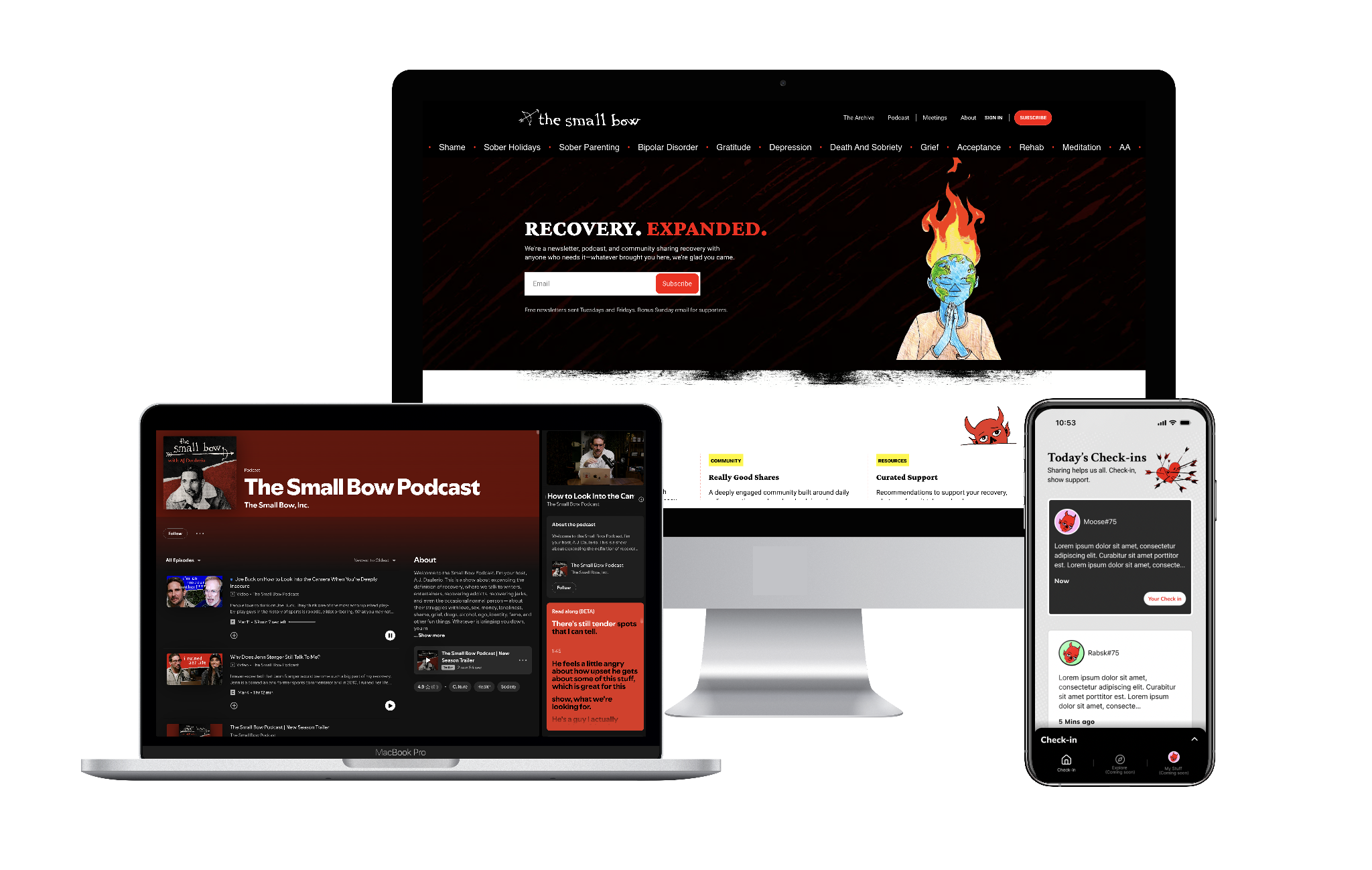
A.J. Daulerio had cultivated one of the most distinctive editorial voices in recovery media — a 3x-weekly newsletter read by 20,000 people, many of them deeply loyal. What The Small Bow didn't have was the infrastructure to grow that voice into a full editorial ecosystem.
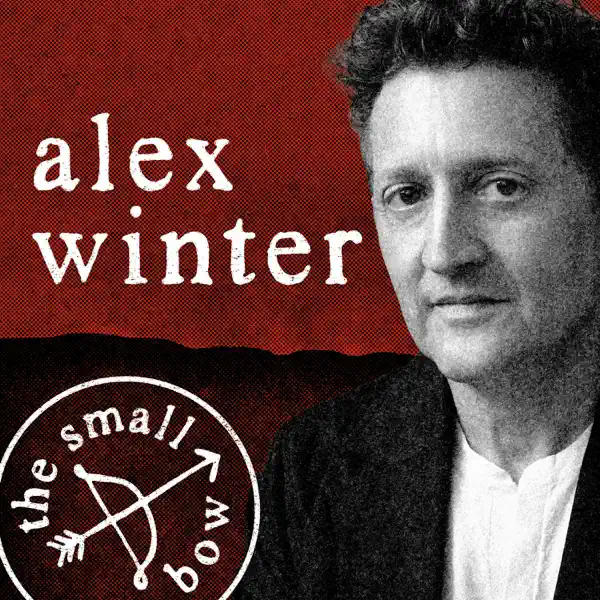
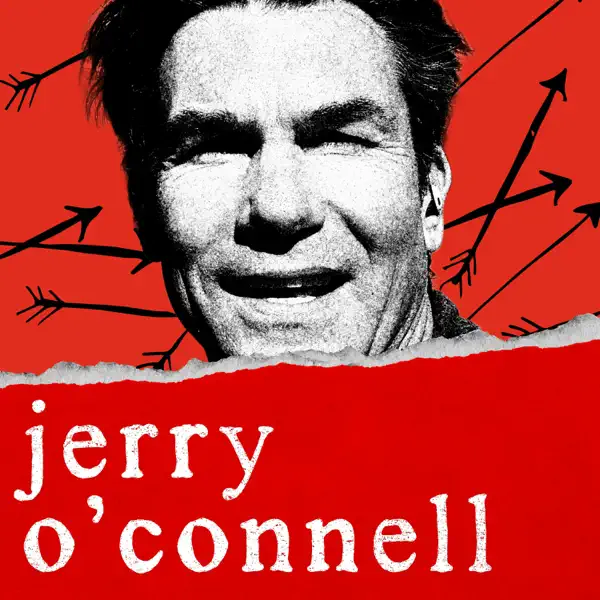
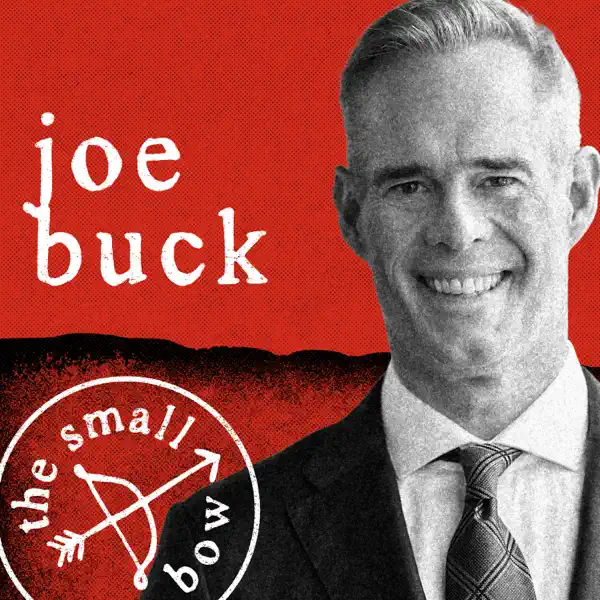
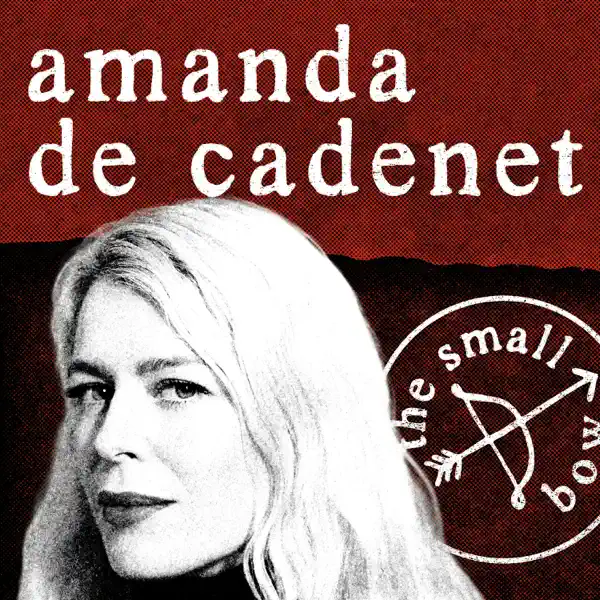
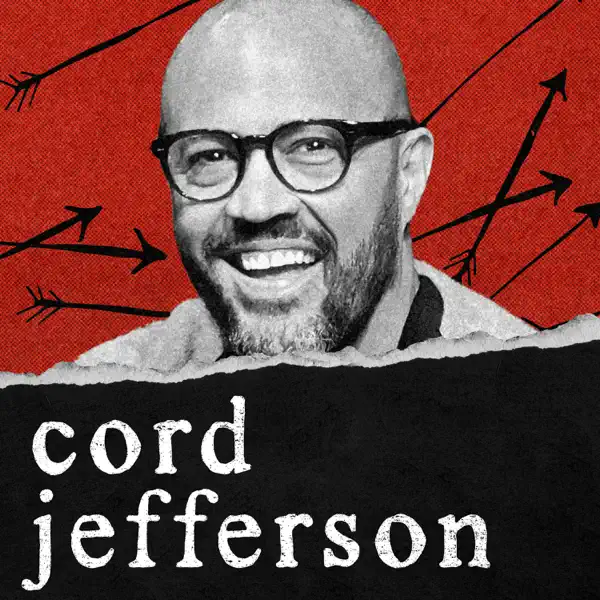
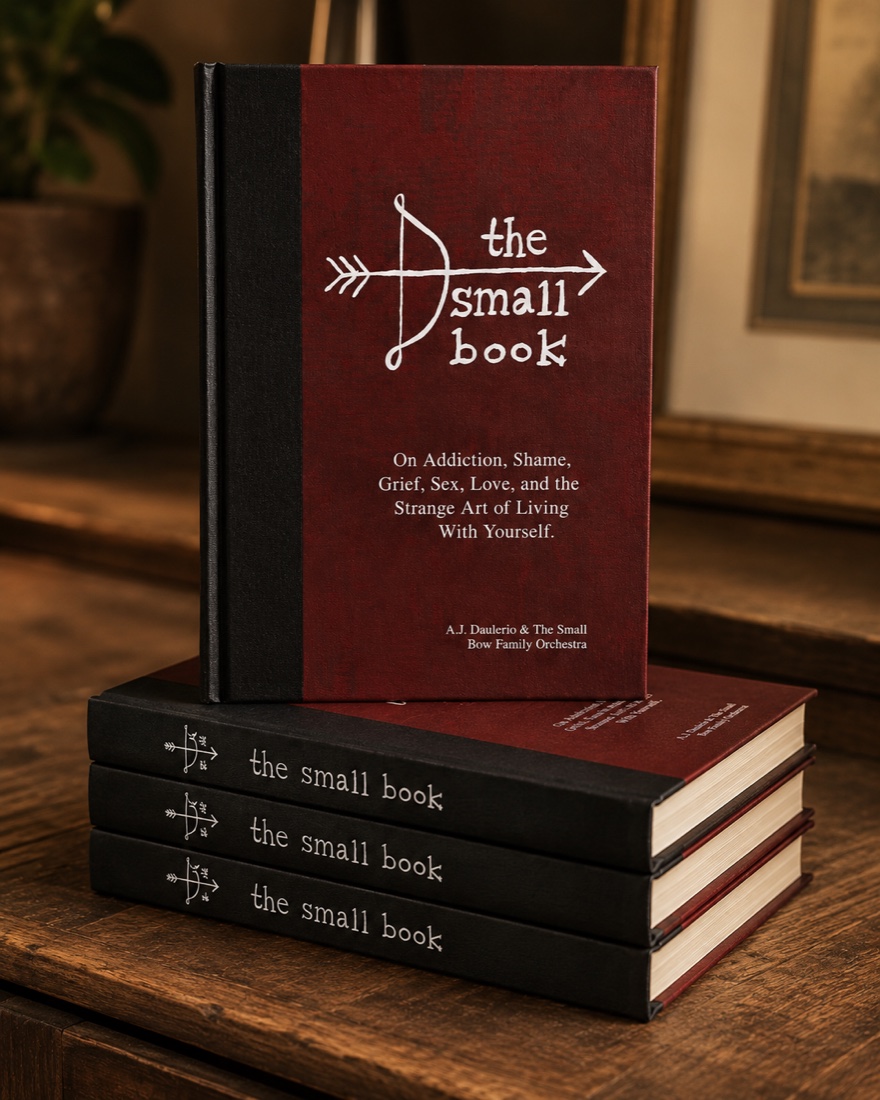
Today TSB runs across multiple surfaces: the newsletter, an original podcast, video content, and a subscriber community — each one feeding the others. The podcast features celebrity guests in recovery and drives clips across YouTube, Instagram, and TikTok. The Small Book, an anthology of essays, represents our first foray into publishing. Using an AI development process, I relaunched the site, shipped a mobile app, and built the tools to support our first institutional partnerships with rehabs. The editorial voice was already there. I expanded the revenue streams around it.
"It's about addiction, but relevant to anyone who has problems and regrets (so, everyone)."
— The New York Times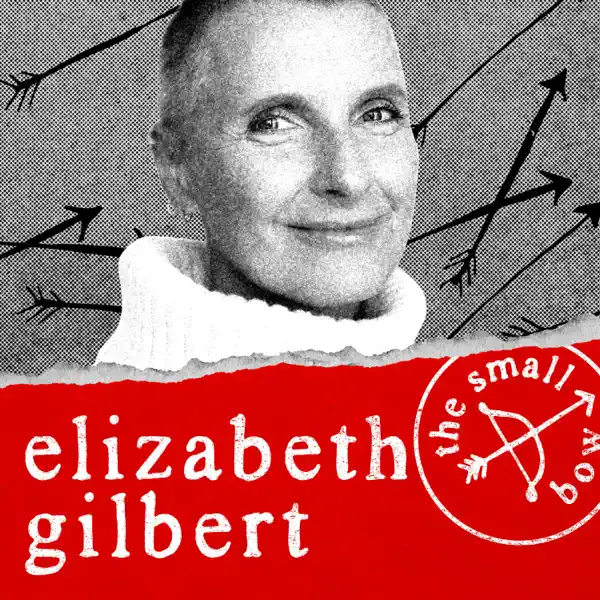
Rhapsody / Napster
Sr. Director, Global Content Systems · 2006–13I ran global content systems at the world's first music streaming service.
The OG of music streaming. Before Spotify, before Apple Music — Rhapsody was first. I ran global content systems: architected the CMS, built the metadata infrastructure, and led international expansion across 25 countries. I also co-invented a content delivery system awarded U.S. Patent No. US9529979B2.
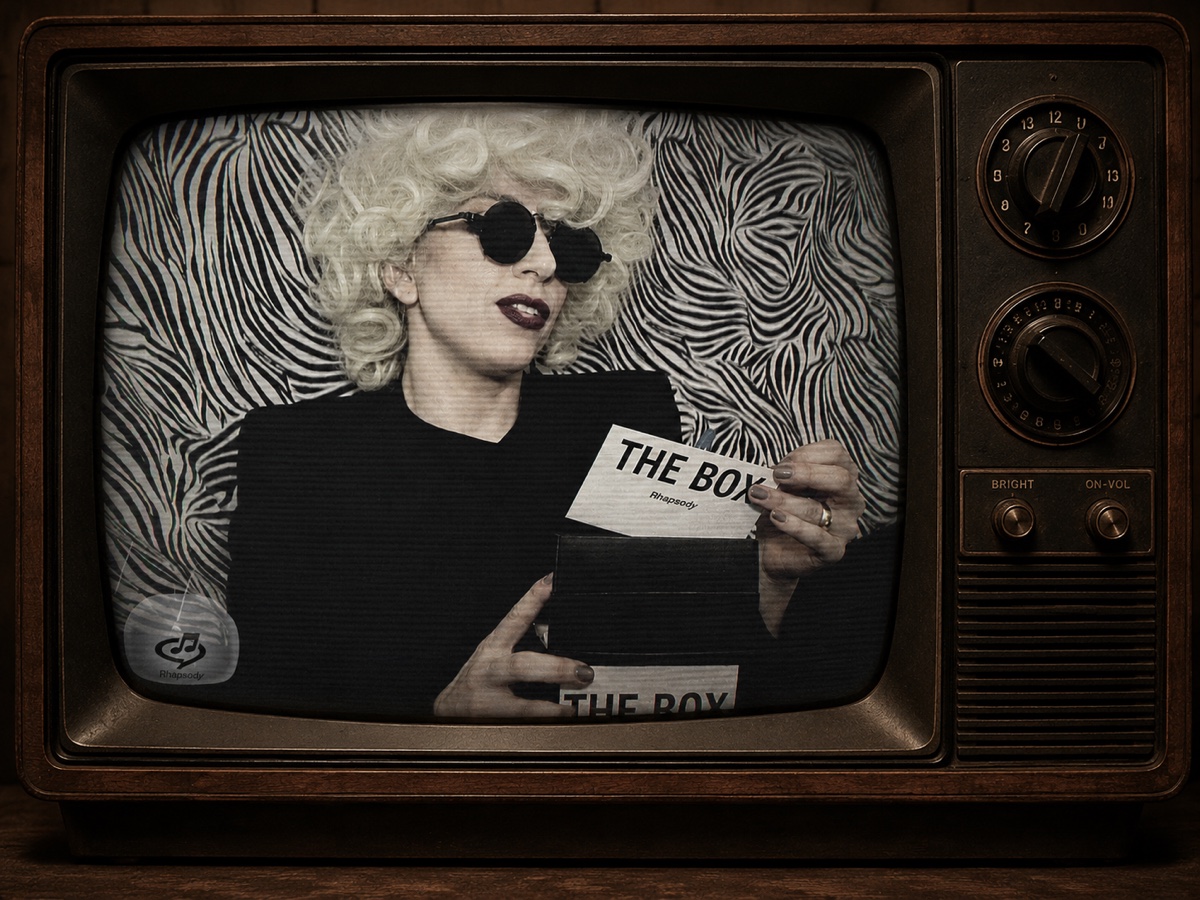
Starting from zero, I built Rhapsody TV into a full original-content operation — episodic interview franchises, live session series, and exclusive performances featuring Taylor Swift, Adele, Lady Gaga, and hundreds more. The operation produced 500+ videos and established Rhapsody as a destination for original music programming at a moment when no one else was doing it.

Original video at a music streaming service in 2008, when no one else was making any.
Case Studies
Three problems at three different altitudes: merchandising a global catalog, building a product from nothing, and turning content into signups.
Merchandising a Global Catalog, 150 Characters at a Time
The synopsis is the storefront. We built the system that wrote every one of them — and cut them to fit how different viewers decide.
View case study →Building an Entire Product Company, Solo
Design system, consumer app, institutional dashboard, and the sales engine to sell it. One person, AI-directed, start to finish.
View case study →Turning an Editorial Program Into an Acquisition Channel
The blog wasn't the goal. Signups were. We built the editorial engine that turned a keyword strategy into 30+ campaigns.
View case study →On a catalog that large, the synopsis is the storefront. It is the only piece of sales copy standing between a title and the decision to spend two hours on it — and it gets about 150 characters to do the job.
Netflix trusted my team at Third Bridge to design and staff the end-to-end production system behind that copy: writer briefs, editorial standards, QA protocols, and the globalization notes that let linguists transcreate each synopsis into 30+ languages without losing the pitch.
The part that made it a merchandising problem rather than a writing one: a single title didn't get a single synopsis. It got a family of them — the same title cut many different ways depending on what would actually move a given viewer. Same title, same 150 characters, different argument.
Building that meant specifying, in advance and in writing, how a synopsis should change when the reason for watching changes — then making it reproducible across dozens of writers and every language we shipped in.
- Designed the full pipeline: briefs, editorial standards, QA, globalization notes
- Multiple synopsis variants per title, each cut for a different viewer intent
- Globalization layer enabled accurate transcreation into 30+ languages
- 10,700+ synopses produced across every major content category
- Staffed and ran the production team end to end
People leave treatment and fall off a cliff. The facility that just spent thirty days with them loses visibility the moment they walk out, and the person loses the structure that was holding them up. Both sides of that problem are real, and neither had a product.
The Small Bow had an audience — a recovery-focused publication with a devoted readership — but no platform. I built one. Not a prototype: a design system, a consumer app, an institutional dashboard, and the sales engine to put it in front of treatment centers.
I did all of it myself, using AI-directed development and agentic workflows — writing the specs, directing the build, and shipping the result. No engineering team, no design team, no SDR.
The dashboard is where the business model lives. A treatment center's outcomes don't end at discharge, but their data does. Giving them a live view of alumni engagement — who's active, who's hit a milestone, who's gone quiet — turns an individual consumer app into something a facility will pay for.
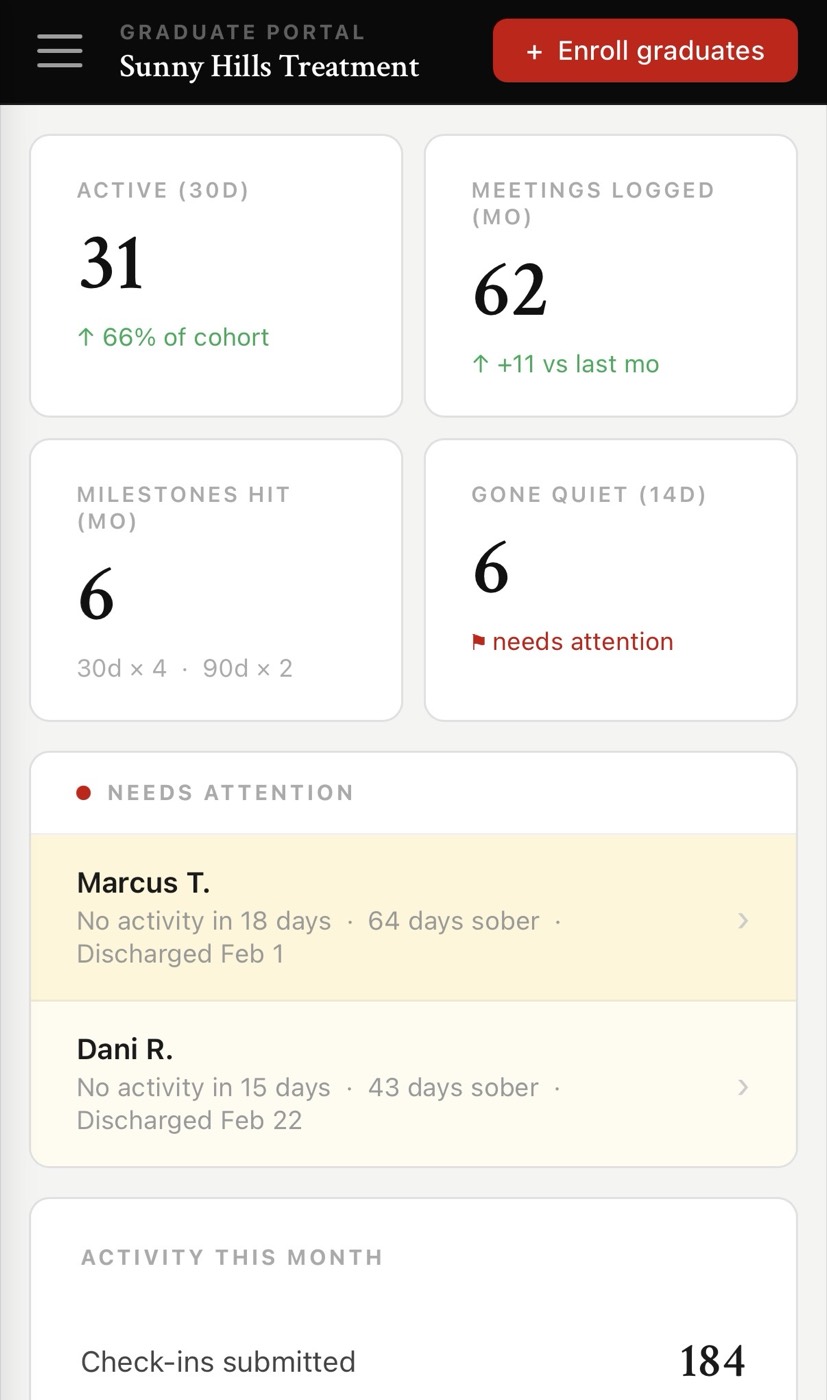
Selling it is its own build. I ingested and normalized a corpus of 7,450 U.S. treatment facilities into a structured target database, then built the scoring model, enrichment, and outreach drafting on top of it — a two-bucket ICP that sorts targets by the programming and alumni infrastructure that predict fit.
The model got its proof with Divided Sky, a Vermont treatment facility and The Small Bow's first institutional partner. Post-discharge engagement among their graduates ran at a 47% open rate — not a marketing number, but evidence that people stayed connected to support after leaving care, which is the entire thesis of the product.
- Design system, consumer app, institutional dashboard, and sales engine — built solo
- AI-directed development and agentic workflows end to end
- 7,450 facilities ingested and normalized into a structured target corpus
- Two-bucket ICP scoring model with automated enrichment and outreach drafting
- Divided Sky (VT) signed as first institutional partner — 47% post-discharge open rate
- Stack: Next.js · Firebase · Tailwind

The blog was never the point. Signups were.
Squarespace came to Third Bridge with a keyword strategy and an acquisition target. What they didn't have was the machine to execute it — the team, the process, and the creative direction to turn a scaffold into 30+ campaigns that people would actually trade an email address for.
That was the job. I staffed the editorial team, built the project infrastructure that kept it running, and designed the creative brief itself — the format the team then used to spec every hub-and-spoke campaign and lead magnet in the program. The brief is where the work gets decided: what the piece has to accomplish, who it's for, what it must not do, and what the reader does next. Designing that format is how those decisions stayed consistent across writers I was never in the room with.
Lead magnets carried the conversion load — downloadable guides gated behind signup, with original product photography and visual design produced for them rather than pulled from stock.
I wrote the project bible. The writers executed against it. The program shipped and the hub articles still rank.
- Staffed and directed the editorial team; built the project infrastructure
- Designed the creative brief format the team used across 30+ campaigns and lead magnets
- Gated lead magnets with original product photography and visual design
- Executed against a keyword strategy Squarespace supplied
- Audience: “Enterprising Dreamers” — first-time entrepreneurs, practical guidance
The Holiday Selling Guide
A hub article produced under this system — still live, still ranking.
As published on Squarespace ↗Selected Writing
Before all of that, and still: essays and features on music, health, literature, and politics.
Appeared on The Ringer's 60 Songs That Explain the '90s: the 2000s to discuss Joanna Newsom, whose music I was the first person ever to write about.
I was a guest on the Aware Recovery podcast to discuss the use of storytelling as a key component of recovery.